
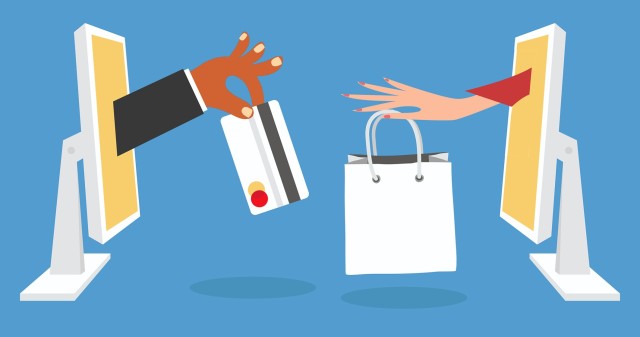
An attractive product page doesn’t prove that the seller behind it is legitimate. Unsafe shopping websites can imitate professional stores, display convincing product photographs, and still leave buyers with counterfeit goods, poor support, or no delivery at all.
Before entering payment information, spend a few minutes checking the seller, payment method, policies, and basic credibility of the offer.
Search Beyond the Store Itself
Don’t rely entirely on testimonials displayed by the seller. Search the business name separately and look for complaints, discussion, contact details, and reports of unresolved orders.
Be careful with a store that appears to have almost no independent history despite claiming to be well established.
While reviewing a general online resource or other web material, keep independent research separate from claims made directly by the seller. The distinction helps you compare what the business says with information found elsewhere.
Examine the Offer Before the Checkout
A huge discount on an expensive product should trigger more checking, not faster purchasing. Compare the price with several established sellers and make sure you understand exactly what is being offered.
Read shipping, cancellation, return, and refund terms before paying. Hidden restrictions matter most after something goes wrong.
An online information resource may sit among many tabs during product research, but important purchase decisions should come from verified details about the specific seller and transaction.
| Check | What to Look For | Possible Warning |
|---|---|---|
| Price | Market comparison | Implausibly low offer |
| Contact details | Usable support channels | Missing information |
| Return policy | Clear conditions | Vague or absent terms |
| Payment | Buyer protections | Pressure toward risky methods |
Treat HTTPS as Only One Check
A secure connection protects information while it travels between your browser and a website, but it doesn’t prove the business itself is honest. The FTC specifically warns that scammers can use encrypted websites too.
So don’t stop checking because a padlock appears in the browser. Research the seller, inspect the domain carefully, and consider how long the business appears to have operated.
During broader browsing, an online research source should be treated like any other unfamiliar destination: evaluate what you’re seeing instead of assuming appearance equals credibility.
Choose Payment Methods With Protection
Payment method matters when an order never arrives or differs significantly from what was advertised. The FTC recommends credit cards when possible because they generally provide stronger dispute protections for problematic online purchases.
Be especially cautious when an unfamiliar seller insists on payment methods that are difficult to reverse. Pressure to bypass a marketplace’s normal payment system is another warning sign.
Keep the order confirmation, product listing, receipt, emails, and screenshots of important terms until the transaction is fully resolved.
Mistakes That Make Scam Checks Less Useful
One mistake is assuming a professional design means a professional company. Website templates, copied photographs, logos, and product descriptions can make an unfamiliar shop look established within minutes.
Another is trusting a single review site or star score. Look for patterns across multiple independent places instead. Even then, reviews should be one part of your assessment rather than the only reason you trust a seller.
Frequently Asked Questions
Does HTTPS mean an online store is legitimate?
No. HTTPS indicates that the connection is encrypted, but fraudulent websites can also use encryption. Check the seller, policies, payment options, reputation, and offer itself before purchasing.
What should I save after buying online?
Keep the order confirmation, seller information, product description, price, return terms, payment record, delivery promises, and relevant messages. These records can be useful if you later need to challenge a transaction.
What should I do if an online order appears fraudulent?
Contact the seller and payment provider quickly, preserve your transaction records, and use available dispute procedures. In the United States, suspected shopping scams can also be reported to the FTC.
Check First and Pay Second
A few minutes of verification can expose warning signs that are easy to miss during an exciting sale. Compare the seller independently, read the terms, question unrealistic prices, and use a payment method that offers reasonable protection. If the transaction still feels unclear after checking, walking away is often cheaper than solving the problem later.