
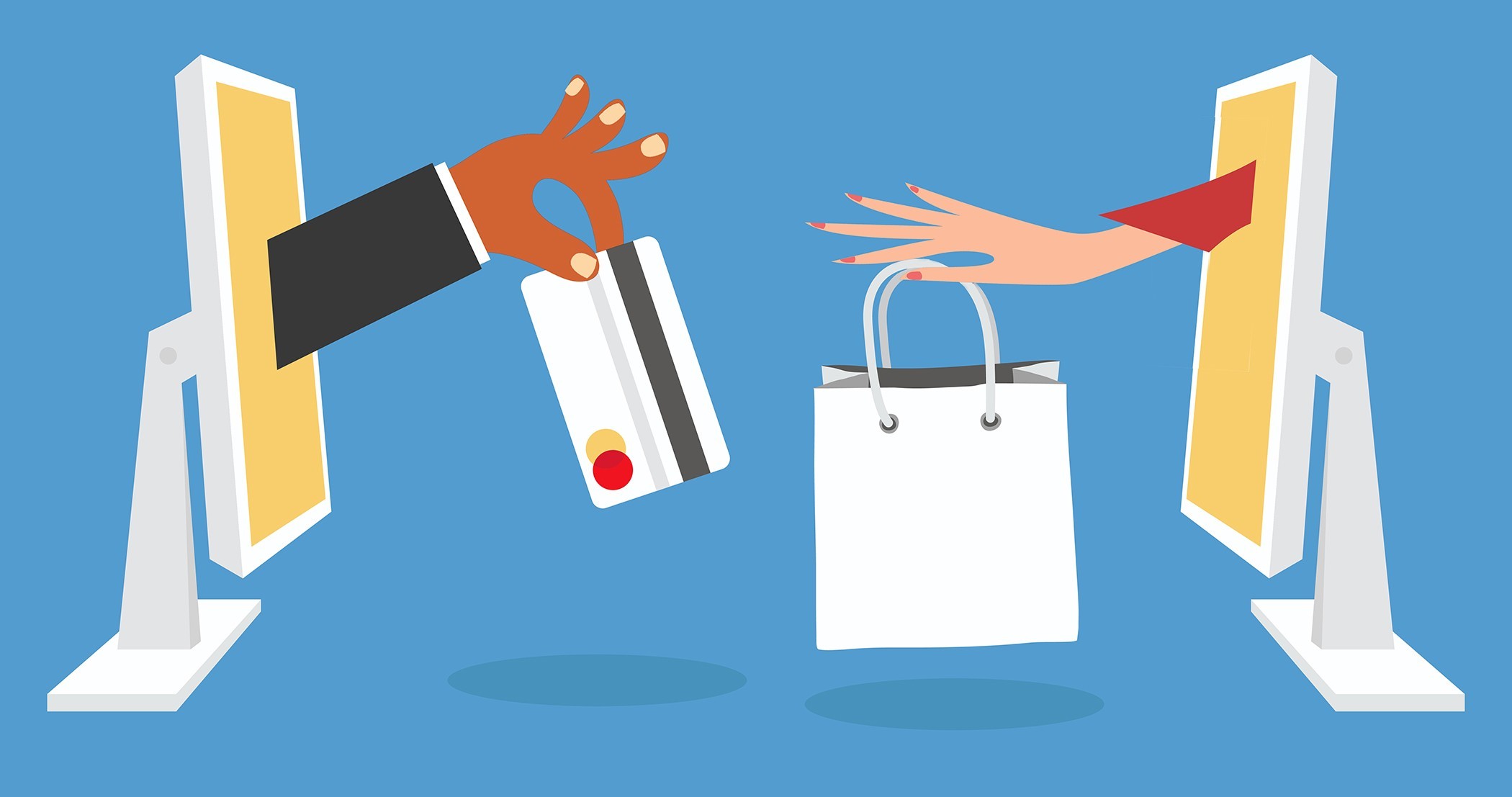
A polished store can still be risky. Before entering card details, confirm who operates the site, whether the seller can be contacted, and whether the payment method gives you reasonable protection if the order never arrives.
Unsafe shopping websites often imitate legitimate stores closely enough to make a rushed purchase feel normal. A few minutes of checking can prevent a much longer dispute later.
Start by Checking the Seller, Not the Design
Professional graphics, product photos, and HTTPS do not prove that a seller is legitimate. The FTC notes that encryption protects information during transmission, but scammers can use encrypted websites too.
Search the store name separately and look for complaints, independent discussions, contact information, return terms, and evidence that the business exists outside its own sales pages. General online reading habits can help you develop the useful habit of comparing several sources instead of trusting one attractive page.
Look Closely at Payment and Checkout Behavior
A seller demanding gift cards, cryptocurrency, wire transfers, or payment outside a marketplace deserves extra caution. The FTC advises consumers to favor payment methods with stronger protections, including credit cards, when shopping online.
Pay attention to checkout behavior as well. Unexpected redirects, strange domains, poorly explained fees, and pressure to complete payment immediately are all reasons to stop and investigate.
| Checkout Sign | Possible Concern | Better Response |
|---|---|---|
| Unusual payment demand | Harder recovery if scammed | Choose protected payment |
| Different checkout domain | Possible impersonation | Verify the destination |
| Unclear total price | Hidden fees | Review before paying |
| Extreme urgency | Pressure-based selling | Stop and investigate |
People researching unfamiliar stores may encounter a mixture of reviews, promotional pages, and broader digital content. Treat each page as one piece of information rather than proof that a merchant is trustworthy.
Check Policies Before Giving Personal Details
A legitimate retailer should make basic purchasing conditions reasonably clear. Look for shipping information, refund rules, contact options, and explanations of what happens when an item arrives damaged or never arrives.
The FTC recommends checking return policies and keeping records of orders and seller communications. While browsing independent web material may give useful context, transaction decisions should still be based on details you can verify about the specific merchant.
Save Evidence Before Paying
Take a screenshot or save a copy of the listing, final price, delivery estimate, seller name, and refund terms. Those records are easy to overlook during checkout but useful if the product description changes afterward.
Keep confirmation emails and payment records too. A transaction becomes much harder to reconstruct when all the evidence exists only on a website that later disappears.
Common Assumptions That Create Risk
One mistake is assuming that a low price is automatically a bargain rather than a reason to investigate. Another is treating hundreds of glowing reviews as conclusive proof, even when the reviews appear repetitive, vague, or disconnected from the actual product.
A familiar-looking logo can also create false confidence. Scam sites sometimes copy branding, layouts, photographs, and even policy language. Verification should focus on the seller’s identity and transaction conditions, not appearance alone.
Frequently Asked Questions
Does HTTPS mean an online store is safe?
No. HTTPS means information sent between your browser and the site is encrypted. It does not independently prove that the business receiving your information is legitimate.
What should I check before buying from an unknown seller?
Confirm contact details, return rules, payment options, independent feedback, total costs, and the exact website address. Search the seller’s name separately before entering payment information.
What should I keep after an online purchase?
Save the order confirmation, product description, price, seller details, shipping promise, return policy, correspondence, and payment record until the transaction is fully completed.
Make Verification Part of Checkout
Online shopping becomes safer when verification happens before payment rather than after something feels wrong. Slow down when a store is unfamiliar, compare information outside the seller’s own pages, and choose a payment method that gives you reasonable recourse. A convincing storefront takes minutes to build; your payment details deserve a stronger test.