
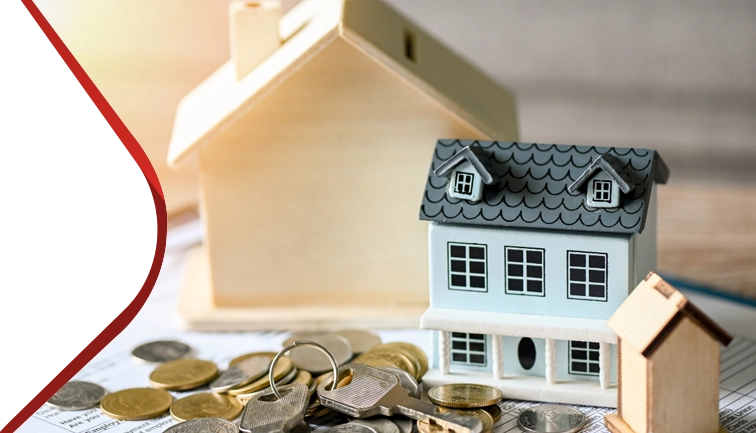
High loan interest can make the final cost of a vehicle much larger than its purchase price. Paying a car loan faster may reduce interest in some situations, but extra payments should fit comfortably within the household budget. Before sending additional money, understand the loan terms, other financial obligations, and how the lender applies extra payments.
Read the Loan Agreement First
Start by confirming the interest rate, remaining balance, required payment, payoff process, and any rules that affect early repayment.
Check whether additional payments are applied to principal and whether the agreement includes any early-payment charges or unusual conditions. Loan structures and lender policies can differ.
People reading automotive technology material may spend considerable time comparing vehicle features, yet financing terms can have an equally meaningful effect on long-term ownership cost.
Ask How Extra Payments Are Applied
Don’t assume sending additional money automatically reduces principal in the way you expect. Review the account after an extra payment or ask the lender how the transaction is handled.
Keep confirmation records so there is a clear history of payments and balances.
Protect the Monthly Budget Before Paying Extra
Faster repayment works best when the extra amount comes from genuinely available cash. Emptying emergency savings to reduce a vehicle balance can create a different problem if an unexpected repair, medical bill, or household expense arrives.
Vehicle ownership itself produces irregular expenses.
Owners using garage and maintenance resources may already know that tires, batteries, repairs, registration, and routine service don’t arrive in perfectly predictable monthly amounts. Leaving room for those expenses can prevent new debt.
| Budget Question | Why It Matters | Possible Action |
|---|---|---|
| Emergency savings available? | Protects against surprises | Preserve a cash buffer |
| Higher-cost debt exists? | May demand attention first | Compare interest costs |
| Loan permits extra principal? | Affects payoff strategy | Confirm with lender |
| Income varies? | Changes payment flexibility | Use optional extra payments |
Use Windfalls Carefully
Bonuses, tax refunds, gifts, or unusually strong income months can create an opportunity to reduce principal without permanently increasing the monthly payment.
A one-time extra payment may feel easier than committing to an aggressive fixed repayment schedule.
Vehicle enthusiasts following car ownership and styling should also consider the tradeoff between discretionary upgrades and debt reduction. Accessories may be enjoyable, but financing costs continue while the loan remains outstanding.
Consider the Entire Debt Picture
A car loan should not be viewed in isolation. Someone with higher-cost credit-card balances, essential overdue expenses, or no emergency reserve may have different priorities from someone whose finances are otherwise stable.
Interest rate, tax considerations, available savings, and personal financial goals can all affect the decision.
Because financial situations vary, general repayment ideas shouldn’t be treated as individualized financial advice. Use the actual loan documents and household numbers when deciding how aggressively to repay.
Where Aggressive Repayment Can Backfire
Paying debt faster sounds automatically positive, but problems can appear when borrowers send every spare dollar to a vehicle loan and leave themselves without liquid savings. An unexpected expense may then be charged to a higher-interest credit card.
Another mistake is increasing payments without checking how the lender processes them. Extra money is most useful when its effect is understood. A sustainable strategy usually works better than an aggressive plan that has to be abandoned after one difficult month.
Frequently Asked Questions
Does paying a car loan early reduce interest?
It may, depending on the loan structure and terms. Review your agreement or request a payoff explanation from the lender to understand how early or additional payments affect total interest.
Should I use all my savings to pay off a car?
Using all available savings can leave little protection against emergencies. The appropriate balance depends on your expenses, debts, income stability, loan cost, and financial priorities.
Is one large extra payment better than monthly extra payments?
Either approach may reduce the balance if the lender applies the payment appropriately. The better choice depends on cash flow, loan terms, and how consistently you can afford additional payments.
Pay Faster Without Creating New Pressure
High loan interest deserves attention, but repayment should strengthen the overall budget rather than weaken it. Review the contract, confirm how extra payments are handled, maintain appropriate savings, and consider other debts before accelerating the schedule. Extra principal payments can be useful when money is genuinely available. A repayment plan is strongest when it reduces borrowing costs without creating another financial emergency.
This article provides general financial information and is not a substitute for individualized financial advice.