
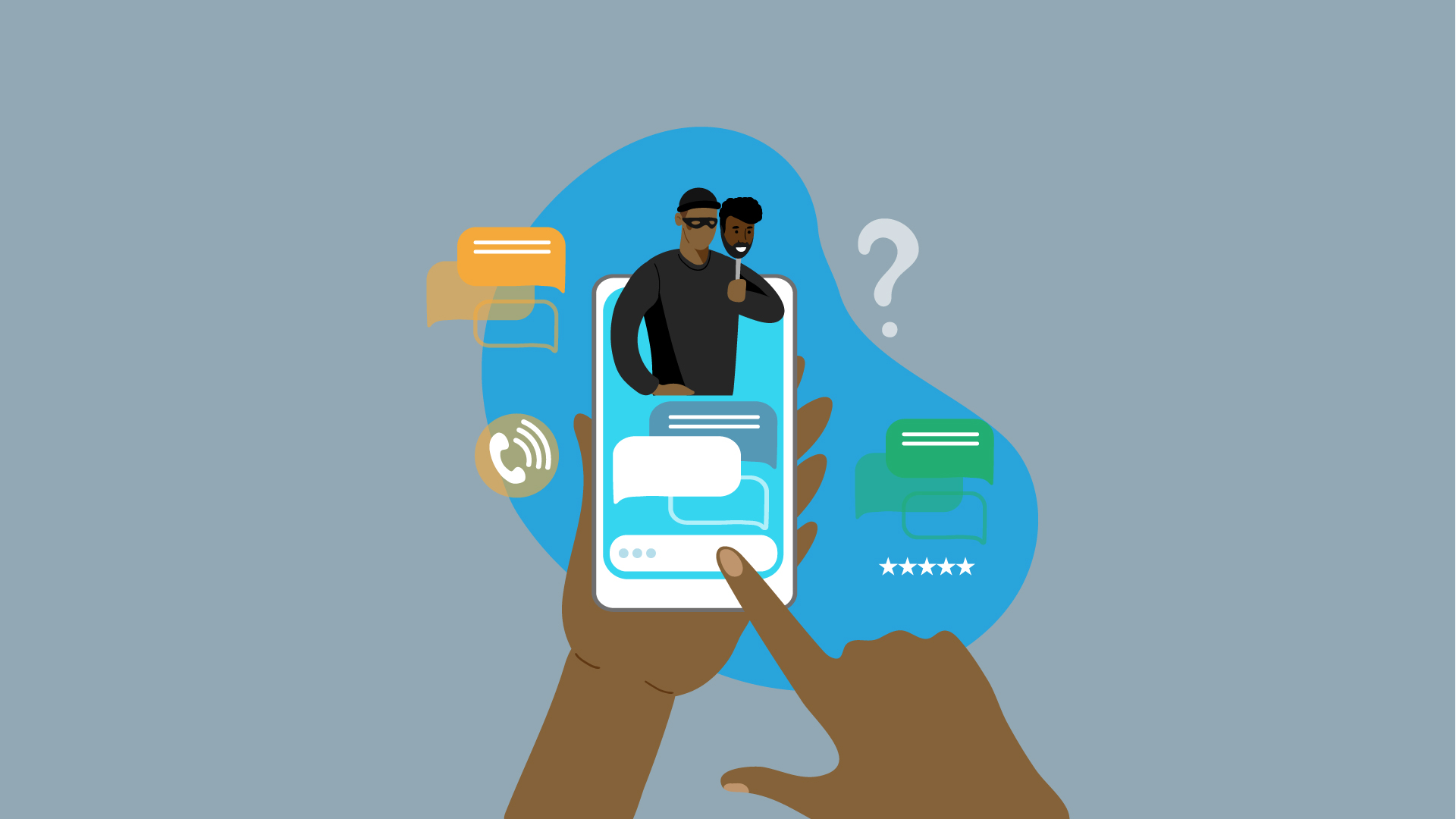
Frequent online scams succeed because they push people toward fast decisions before they have time to verify what they’re seeing. Messages may imitate companies, relatives, employers, banks, delivery services, government agencies, or online sellers.
The safest response to unexpected demands for money or sensitive information is simple: stop interacting with the message and independently verify who is contacting you.
Treat Urgency as a Signal to Slow Down
Scammers often create artificial pressure. They may claim an account will close, a package is being held, a relative needs immediate help, or an opportunity will disappear unless payment is sent quickly.
Reading digital information coverage can help build broader online awareness, but verification should happen outside the suspicious message. Don’t use the phone number, login button, or payment instructions provided by the person demanding immediate action.
Rebuild the Contact From Scratch
If a message appears to come from your bank, type the bank’s known website yourself or use its official app. If someone claims to be a family member, call that person using a number you already have.
This breaks the communication path the scammer controls.
Examine Payment Requests Carefully
Certain payment methods deserve additional caution because recovering money can be difficult. Unexpected requests involving gift cards, cryptocurrency, wire transfers, payment apps, or unusual account instructions should trigger further verification.
People browsing general fact-based articles may learn about many types of online fraud, but the decisive question remains whether the specific person, transaction, and destination can be independently confirmed.
| Warning Sign | Safer Response | Reason |
|---|---|---|
| Sudden urgency | Pause | Reduces pressure |
| Unexpected login link | Open official app | Avoids fake pages |
| Changed payment details | Verify separately | Detects impersonation |
| Secret payment request | Contact trusted person | Breaks scammer control |
Verify Identity Through Another Channel
A familiar display name doesn’t prove who sent an email or message. Accounts can be compromised, sender information can be imitated, and scammers can copy profile photographs.
Looking through online reading material can strengthen general information habits, yet identity verification should rely on an independent route. Contact the person or organization using details obtained separately from the suspicious communication.
Businesses should apply the same principle when receiving changed bank details from a supplier. A known contact should confirm the change through an established communication method before money moves.
Protect Accounts After Suspicious Contact
If you clicked a questionable link but haven’t entered information, close the page and avoid further interaction. If you entered a password, change it promptly through the legitimate service and avoid reusing that password elsewhere.
Enable multifactor authentication where available. Also review account activity for changes you didn’t make, particularly around email accounts because email access can help attackers reset passwords for other services.
If money was sent, contact the financial institution or payment provider promptly to ask whether the transaction can be stopped or challenged. Reporting the incident may also help the relevant platform or authorities identify repeated fraud patterns.
Why Smart People Still Get Scammed
Scams don’t always depend on ignorance. They often exploit timing, stress, trust, distraction, or familiarity.
A convincing message arriving during a busy workday can bypass the caution someone would normally use. That’s why a repeatable verification habit matters more than trying to memorize every scam format. Attackers can change their scripts quickly, while the principle of independently checking identity and payment instructions remains useful.
Frequently Asked Questions
How can I tell whether an email link is legitimate?
Avoid judging only by logos or professional design. Instead of following an unexpected link, open the organization’s official website or app independently and check whether the same notice appears there.
What should I do if someone claims a relative needs money urgently?
Contact the relative directly using a phone number you already know. If they can’t be reached, check with another trusted family member before sending money or sharing financial information.
Can scammers impersonate legitimate businesses?
Yes. They may copy branding, names, websites, invoices, or communication styles. Independent verification through known contact details is more reliable than trusting appearance alone.
Make Verification Your Default Reaction
You don’t need to recognize every fraud technique before it reaches you. Build one dependable habit instead: unexpected requests involving money, passwords, verification codes, or sensitive information should be checked through an independent channel.
A few extra minutes can expose a false story before money or account access changes hands. Pressure asks you to move faster. Verification gives you control.