
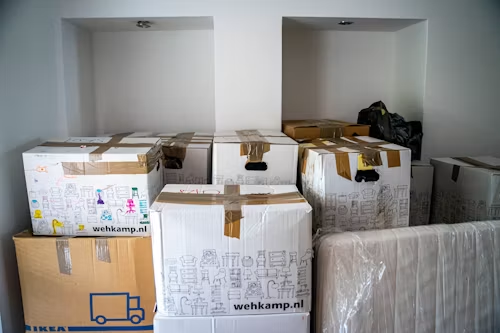
Picture the morning of a move. The crew pulls up, the doorbell rings, and half the kitchen is still on the shelves. Nobody wants that. Preparation changes the first hour of moving day more than anything else, and the first hour often sets the pace for everything that follows.
Here is a practical way to get your home ready, from the weeks before to the final walkthrough.
What should you do before movers arrive?
Finish packing what you plan to pack, label boxes by room, disassemble furniture where needed, clear pathways, and confirm parking and building access. Then set aside anything that should not go on the truck, such as valuables, documents and your essentials bag.
That is the short version. The rest of this article explains how to do each step well.
Two weeks out: confirm the plan
- Confirm your booking including date, arrival window, crew size and services included
- Review building rules for elevators, loading zones and permitted move times
- Decide what is going and what is not, so you are not making decisions on the day
- Order or collect packing supplies if you have not already
If you are not packing everything yourself, clarify exactly which rooms or items the crew will pack and which you will handle. Misunderstandings here are one of the more common causes of delay.
One week out: pack and sort
Start with the least-used rooms: storage areas, guest rooms, garages and bookshelves. Leave daily-use items until last. Use small boxes for heavy items, medium boxes for kitchen and general items, and large boxes for light bulky items like pillows.
Fragile items such as glassware, dishes and framed art need padding, vertical placement for plates and clear “fragile” labelling.
Take photos of how electronics are connected before disconnecting them. It makes setup far easier at the new place.
Three days out: handle appliances and utilities
- Refrigerator and freezer: Empty, clean and allow to defrost, ideally 24 hours before moving
- Washer and dryer: Disconnect hoses, drain water and secure drums if the manual recommends it
- Gas appliances: Do not disconnect them yourself unless you are qualified; arrange for a professional if required
- Utilities: Schedule disconnects and connects so you do not lose service at either property
Check your appliance manuals. Some washing machines need transit bolts, and some fridges should stand upright for a period after moving.
The day before: furniture and access
This is when your home starts to feel like it is on the move.
Furniture
- Disassemble beds, shelving and tables if the crew has not agreed to do it
- Place bolts and screws in labelled bags and tape them to the furniture
- Empty drawers of fragile or heavy items, unless the crew confirms they can move them full
- Remove wall-mounted items, curtains and rods
Pathways
- Clear hallways, stairs and entries
- Move rugs, floor lamps and small items out of the way
- Pick up toys, shoes and pet items
- Shovel and salt walkways and driveways in winter, since icy surfaces slow the crew and raise the risk of a fall
Pets and children
Arrange for pets and children to be elsewhere if possible. Doors will be open, items will be moving and the environment can be stressful for them.
What should you keep off the truck?
Keep these with you:
- Passports, birth certificates, property and legal documents
- Medications and medical devices
- Jewellery, cash and irreplaceable keepsakes
- Laptops, chargers and phones
- A bag with a change of clothes, toiletries and basic kitchen items
- Cleaning supplies you need for the final clean
Set these in a closed, clearly marked room or in your car so nothing gets loaded by mistake.
Protecting floors and walls
Good professional movers bring moving blankets and wrap for furniture, but you can help by identifying surfaces that need extra care, such as hardwood floors, stair railings, narrow corners and new paint. In apartments and condos, ask whether the building supplies protective floor runners or wall padding for elevators and common areas.
Moving day morning
On the day itself:
- Be ready before the arrival window starts
- Do a quick walkthrough and point out fragile or high-priority items
- Show the crew lead which items are not going
- Confirm the destination address and any access details
- Share your phone number and the contact at the destination, if different
- Stay reachable, and be available for questions during loading
A short conversation at the start saves time later. Crews work faster when instructions are clear and decisions are quick.
During loading: stay useful, not in the way
You do not need to supervise every box. Stay available, offer water, and check in at natural breaks. If you have a specific concern about a piece of furniture, say so early rather than mid-lift.
The final walkthrough
Before the crew leaves:
- Open closets, cabinets and drawers
- Check the garage, attic, basement and balcony
- Look behind doors and in utility rooms
- Confirm all keys, remotes and garage openers are accounted for
- Take photos of the empty home for your records
If you are renting, a good walkthrough supports your deposit return.
Preparing the destination
Preparation also happens at the new place. If possible:
- Clean before the furniture arrives
- Measure doorways and key rooms again
- Decide where large pieces will go
- Label rooms with tape or paper signs that match your box labels
- Clear a path from the truck to the door
- Confirm utilities are on
This means the unloading phase goes faster and you will not have to move heavy furniture twice.
Conclusion
A well-prepared home lets the crew start work immediately, protects your belongings and often shortens the overall time on site. Preparation is not about perfection. It is about removing the small obstacles that cause delays: unfinished packing, blocked pathways, unclear instructions and missing hardware. Handle those, and moving day becomes much more straightforward.
FAQs
How much preparation does a move require?
It depends on the size of your home, but most households benefit from beginning two to four weeks ahead. Packing, appliance prep and building arrangements are the biggest time requirements.
Do I need to take furniture apart before movers arrive?
Not always. Some crews handle disassembly. Confirm in advance, and always keep hardware together and labelled.
Should I be home during the move?
Yes, or have a trusted representative present. The crew will need access and may have questions.
What if my packing is not finished when movers arrive?
Tell the crew right away. Some companies can pack remaining items for an additional charge, but it may extend the time and cost.