
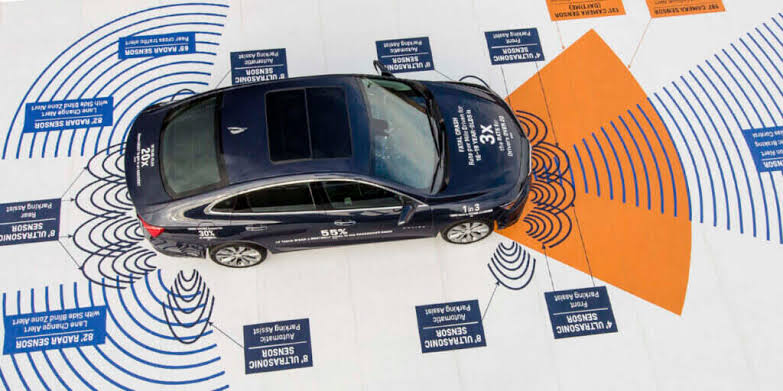
Blind spot warnings can disappear, activate unpredictably, or show a fault message when rear-mounted sensors cannot read surrounding traffic correctly. Dirt, snow, bumper damage, trailers, accessories, calibration changes, and electrical faults can all affect the system. Start with the sensor environment before assuming the warning modules need replacement.
Know Where Blind Spot Sensors Usually Work
Many blind spot monitoring systems use radar units positioned behind the rear bumper, often near the corners. Because the sensors may be hidden, owners sometimes clean only visible cameras and overlook the areas that actually matter.
Mud, packed snow, ice, thick road salt, bumper stickers, and certain accessories can interfere with radar transmission. Clean the rear bumper thoroughly, particularly around the outer corners.
General vehicle maintenance resources can be useful while researching exterior care, although the owner’s manual is the better source for identifying system-specific sensor areas.
Consider What Has Changed Around the Vehicle
A newly installed bike rack, trailer, bumper guard, or other rear accessory may affect blind spot monitoring. Some vehicles automatically change or disable parts of the system when towing equipment is connected.
Temporary alerts may also occur when driving beside barriers, guardrails, or tightly spaced objects. Radar systems interpret reflected signals, and surrounding structures can sometimes create unusual detection behavior.
Drivers reading about modern assistance features may encounter broader automotive system guides during troubleshooting. Comparing the timing of the fault with recent vehicle changes is often more useful than randomly replacing components.
| Warning Pattern | Possible Explanation | What to Check |
|---|---|---|
| System unavailable | Sensor blocked | Clean rear bumper |
| False warning | Nearby fixed objects | Observe driving environment |
| Fault after collision | Sensor position changed | Calibration or mounting |
| One side not working | Local sensor issue | Inspect that bumper corner |
Check for Bumper Repairs or Minor Impacts
Blind spot radar sensors must sit in the correct position and angle. A parking impact that bends a bracket or slightly changes the bumper structure can affect detection without leaving dramatic exterior damage.
Body repairs may also require calibration or verification of sensor mounting. If the problem started after paintwork, bumper removal, or a rear-quarter collision, that repair history is an important diagnostic clue.
For those looking into the electrical side of the system, vehicle wiring information may provide broader background. Actual blind spot fault diagnosis may still require scan data and manufacturer-specific procedures.
Learn the Difference Between Limits and Faults
Blind spot monitoring does not detect every object under every condition. Motorcycles, vehicles approaching extremely quickly, objects traveling at similar speeds, and traffic at unusual angles can be harder for some systems to classify.
The warning light may also remain off when the vehicle is below a certain operating speed or when system settings have been changed. Check the manual before using one missed warning as proof of failure.
Test Under Normal Conditions
After cleaning the vehicle, observe the system during ordinary driving on a clear road. Do not deliberately create risky traffic situations to test it.
Consistent failure on one side or a persistent dashboard warning provides much stronger evidence of a problem than occasional unexpected behavior.
Mistakes That Can Make Diagnosis Harder
One common mistake is covering or modifying the bumper without considering sensors hidden behind it. Repairs, wraps, thick coatings, or accessories can affect a system even though nothing touches the radar unit directly.
Another mistake is relying completely on the indicator light before changing lanes. Blind spot monitoring has detection limits, so mirrors, shoulder checks, and normal driver awareness still matter. A warning system should support those habits rather than replace them.
Frequently Asked Questions
Why does my blind spot monitor say it is unavailable?
The rear radar area may be covered by dirt, snow, ice, or road contamination. Accessories, towing equipment, poor weather, or a stored system fault can also make the feature temporarily unavailable.
Can a bumper replacement affect blind spot monitoring?
Yes. Sensors mounted behind the bumper may need correct positioning, inspection, or calibration after removal and replacement. Requirements vary by vehicle and repair procedure.
Why does the blind spot light come on when no car is there?
Guardrails, walls, roadside objects, unusual reflections, or temporary sensor conditions may sometimes produce alerts. Frequent false warnings under normal conditions should be inspected rather than assumed to be normal.
Use the Warning as a Starting Point
Clean the rear sensor areas, review recent bumper work or added accessories, and check whether the fault persists in normal weather. If one side consistently fails or the vehicle keeps displaying a system warning, a scan and calibration inspection can identify the cause more reliably. Keep using mirrors and direct observation regardless of whether the electronic warning system appears active.