
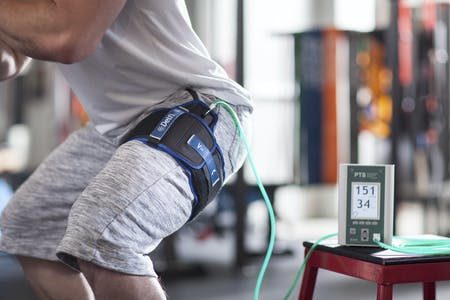
Blood flow restriction therapy (BFR) is rapidly transforming rehabilitation and strength training. By safely restricting blood flow to specific muscles during low-load exercise, BFR enables significant strength gains, muscle growth, and faster recovery. Unlike traditional high-intensity training, this technique reduces stress on joints and tissues, making it suitable for post-injury recovery, post-surgery rehabilitation, and chronic pain management. For athletes and active adults, BFR can accelerate progress while minimizing risk. Understanding how BFR works, its benefits, and safe application is essential for achieving maximum results and promoting long-term musculoskeletal health.
Understanding Blood Flow Restriction Therapy
Blood flow restriction therapy involves applying a specialized cuff or band to the upper portion of a limb to partially restrict venous blood flow while maintaining arterial inflow. This controlled restriction creates a hypoxic environment in the targeted muscles, which stimulates metabolic stress and muscle adaptation even under low-load resistance training. Unlike traditional high-load workouts, BFR allows muscles to activate growth pathways without excessive strain.
Key mechanisms include:
- Metabolic Accumulation: BFR increases metabolites such as lactate, triggering muscle growth and strength adaptations.
- Cellular Signaling: Restricted blood flow enhances muscle fiber recruitment and protein synthesis.
- Hormonal Response: BFR stimulates growth hormone production, supporting recovery and tissue repair.
By understanding these physiological mechanisms, patients and trainers can integrate BFR safely and effectively into rehabilitation and performance programs.
Benefits of Blood Flow Restriction Therapy
1. Accelerated Muscle Recovery
BFR can significantly speed up recovery after injury or surgery. Traditional rehab often relies on heavy lifting or high-intensity exercise, which may be unsafe for recovering muscles or joints. BFR allows for similar strength gains at 20-30% of typical resistance loads, reducing strain while promoting hypertrophy. Case studies show post-surgical patients regaining strength in weeks instead of months.
2. Joint-Friendly Strength Gains
Low-load resistance training with BFR is ideal for individuals with joint pain, arthritis, or post-operative limitations. The technique minimizes compressive forces on the joints while still promoting muscular strength, making it a safer alternative for vulnerable populations. Physical therapists report patients experiencing less discomfort and faster return to daily activities compared to conventional methods.
3. Improved Circulation and Oxygenation
While it may seem counterintuitive, restricting blood flow temporarily enhances overall circulation. After cuff removal, reperfusion increases nutrient delivery, oxygenation, and waste removal, which supports tissue healing and vascular health. Over time, these adaptations can improve endurance and functional mobility in both athletes and older adults.
4. Enhanced Athletic Performance
Athletes can use BFR to maintain or improve strength and endurance during periods when heavy training isn’t possible. During injury downtime, BFR prevents muscle atrophy and maintains conditioning, allowing a faster return to peak performance. Additionally, BFR can be used to complement high-intensity training by targeting muscle endurance and hypertrophy without increasing load, reducing overall training stress.
5. Versatility Across Populations
BFR is effective for:
- Post-surgery rehabilitation
- Chronic pain or osteoarthritis management
- Sports performance enhancement
- Age-related muscle loss (sarcopenia)
- Physical therapy for muscle imbalances
This versatility makes BFR a valuable tool across clinical and athletic settings.
Integrating BFR Safely in Rehabilitation
Despite its benefits, improper use of BFR can pose risks such as nerve compression, excessive discomfort, or circulatory complications. Safe integration requires professional guidance, proper cuff selection, and individualized protocols.
Key Safety Guidelines:
- Professional Assessment: Begin with a certified physical therapist to ensure proper cuff placement and appropriate pressure.
- Gradual Progression: Start with low resistance and short session durations, increasing intensity only under supervision.
- Monitor Responses: Watch for numbness, tingling, or unusual pain during sessions. Discontinue if symptoms occur.
- Tailored Programming: Customize frequency, duration, and resistance based on individual goals and rehabilitation stage.
- Combine With Conventional Therapy: Use BFR alongside traditional rehab techniques to enhance overall outcomes without overloading joints.
By following these principles, BFR can be a safe and highly effective addition to recovery programs, even for those with complex medical or musculoskeletal conditions.
Practical Tips for Maximizing Results
- Combine with Low-Load Resistance: BFR works best with exercises using light weights or bodyweight movements.
- Frequency Matters: Two to three BFR sessions per week can provide measurable gains without overtraining.
- Maintain Proper Form: Focus on controlled movements and proper alignment to prevent injury.
- Track Progress: Document strength improvements, range of motion, and muscle size for ongoing evaluation.
- Use Technology: Some therapists utilize BFR devices with built-in pressure monitoring for consistency and safety.
- Integrate Recovery Techniques: Complement sessions with stretching, hydration, and nutrition to enhance results.
Evidence Supporting Blood Flow Restriction Therapy
Multiple studies have validated the effectiveness of BFR:
- Research shows 20-30% of typical resistance can achieve muscle growth comparable to high-load training.
- BFR has been proven to reduce atrophy in post-surgical patients while maintaining functional strength.
- Athletes using BFR report improved endurance, faster recovery times, and reduced soreness compared to conventional training.
- Studies on older adults indicate BFR can slow age-related muscle loss while improving balance and mobility.
Clinical evidence highlights that when applied correctly, BFR is not only safe but can outperform traditional rehab approaches in efficiency and results.
Overcoming Common Misconceptions
- “It’s Dangerous for Everyone” – When properly supervised, BFR is safe for most adults, including older adults and post-injury patients.
- “Only for Athletes” – BFR is equally beneficial for everyday recovery, physical therapy, and age-related muscle maintenance.
- “Requires Heavy Weights” – One of the core advantages of BFR is achieving strength gains with low-load exercises.
- “It’s a One-Size-Fits-All Therapy” – Every individual requires a tailored program, as cuff placement, pressure, and frequency must match personal needs.
Educating patients and clients about these points ensures wider adoption and better outcomes.
Case Applications of Blood Flow Restriction Therapy
- Post-Surgery Rehabilitation: Patients recovering from ACL reconstruction or shoulder surgery often regain muscle strength faster using BFR with low-load resistance.
- Athletic Training: Sprinters, cyclists, and weightlifters incorporate BFR during recovery weeks to maintain performance without risking overuse injuries.
- Chronic Pain Management: Individuals with osteoarthritis can build strength without aggravating joints, reducing pain and improving daily function.
- Elderly Muscle Maintenance: Seniors at risk of sarcopenia benefit from BFR to preserve lean muscle mass and maintain independence.
These examples illustrate BFR’s versatility and practical benefits across different populations and fitness levels.
The Future of Blood Flow Restriction Therapy
As BFR technology advances, therapy is becoming more accessible with digitally monitored cuffs and tailored pressure algorithms. Integration into telehealth, home rehabilitation programs, and sports science research continues to expand its potential. Emerging studies focus on optimizing pressure settings, session duration, and combining BFR with other therapeutic modalities.
With ongoing research, BFR is poised to become a standard component of physical therapy and athletic conditioning programs worldwide, offering safe, efficient, and scientifically supported results.
Conclusion
Blood flow restriction therapy represents a groundbreaking approach to recovery, strength building, and rehabilitation. By combining low-load exercises with controlled vascular restriction, BFR delivers measurable improvements while minimizing joint stress and injury risk. Proper application under professional guidance ensures safety and effectiveness across populations, from athletes and active adults to post-surgery patients. For those seeking faster recovery, enhanced muscle strength, and optimized physical performance, incorporating blood flow restriction therapy into rehabilitation or training programs at Control Physical Therapy offers a scientifically proven path to lasting results. With continued innovation and research, BFR is poised to redefine modern rehabilitation and athletic performance strategies.