
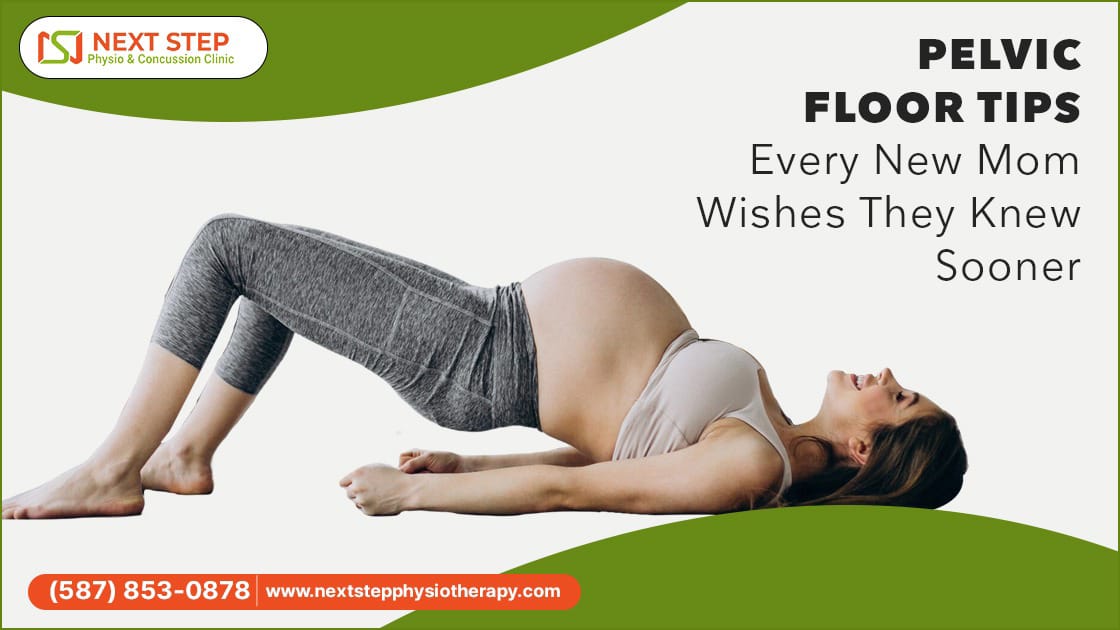
Becoming a mom changes everything, including how your body feels, moves, and heals. One of the most overlooked areas in early motherhood is the pelvic floor. From bladder leaks to core weakness and unexpected discomfort, these challenges can sneak up and linger longer than expected.
That’s why understanding pelvic floor care postpartum is so important. With proper guidance and awareness, recovery can be smoother and less overwhelming. Pelvic floor physiotherapy in Edmonton offers a supportive approach for those navigating postpartum healing, helping moms rebuild strength and confidence from the inside out.
Why Pelvic Floor Health Matters After Birth
The pelvic floor after childbirth often becomes weakened, stretched, or tense due to the demands of pregnancy and delivery. This group of muscles supports the bladder, bowel, and uterus, so when they’re not functioning properly, the effects show up in ways that disrupt daily life.
Common postpartum issues include:
- Ongoing bladder leakage when sneezing, coughing, or lifting
- A feeling of pressure or fullness in the pelvic area
- Pain during or after intimacy
- Difficulty engaging your core muscles
- Discomfort in your hips, tailbone, or lower back
- Unresolved symptoms months after birth
If any of the following persist past six weeks postpartum, it’s time to check-in.
Start Strong: Foundational Pelvic Floor Tips for New Moms:
1. Don’t Wait for Symptoms to Get Worse
Many new moms assume that symptoms like leaking or heaviness will just “go away” on their own. But early support makes a big difference. Pelvic floor therapy for moms is designed to help you recover properly, not just survive the postpartum stage.
If you’re feeling pressure, noticing leaks, or having pain, those are signs that your pelvic wall is asking for attention. A consultation in pelvic health physiotherapy can identify what’s going on and set you on the right path.
2. Kegels Aren’t Always the Answer
You’ve probably heard of Kegels, but they’re not a one-size-fits-all solution. For some women, the pelvic floor is overactive or tight; doing more Kegels could make symptoms worse.
A trained physiotherapist can assess your pelvic health and teach you whether you need strengthening, stretching, or relaxation techniques. It’s not about doing more; it’s about doing what your body actually needs.
3. Breathing Is a Powerful Tool
In the early days of postpartum recovery, deep breathing can reconnect you to your core and pelvic floor. Using diaphragmatic breath creates space for the pelvic floor to gently relax and engage naturally, helping with circulation, healing, and tension release.
Try this:
- Sit or lie comfortably
- Inhale through your nose as your belly softly lifts outward and your ribs expand
- Exhale slowly through your mouth
- Feel your pelvic floor gently respond (drop on inhale, lift slightly on exhale)
4. Move Mindfully, Not Avoidantly
After childbirth, it’s tempting to avoid movement out of fear of making things worse. Simple exercises that focus on posture, alignment, and gentle core activation help restore balance and function.
Movements like:
- Glute bridges
- Pelvic tilts
- Side-lying leg lifts
- Modified squats with breath
5. Support Comes in Many Forms
Postpartum recovery isn’t just about exercises. Emotional support, rest, sleep, hydration, and nourishment all play a role. So does external support like using a perineal ice pack, wearing a postpartum support belt, or getting help with childcare so you can attend appointments.
6. Understand the Role of Scar Tissue
Whether you had a vaginal delivery or C-section, scar tissue can influence how your pelvic floor functions. Tightness, pulling, or numbness around scars can restrict movement or cause pain during daily tasks or intimacy. Pelvic floor therapycan address this with gentle manual therapy and stretching techniques to release adhesions and restore mobility.
Targeted Techniques That Help New Moms Rebuild from the Inside Out
Pelvic floor physiotherapy in Edmonton provides a full-body approach to postpartum healing, focusing not only on the pelvic region but also on how posture and movement contribute to lasting recovery. Here’s how it works:
1. Comprehensive Assessments for Pelvic Function
Pelvic floor physiotherapy starts with tools like the Pelvic Floor Muscle Assessment (PFMA) and External Pelvic Girdle Screening. These help evaluate muscle tone, coordination, and any dysfunction caused by childbirth. They also guide treatment planning by identifying weakness, prolapse, or imbalances impacting postpartum pelvic floor recovery.
2. Manual Therapy to Release Tension and Scar Tissue
Myofascial release is used to relieve tightness in the pelvic floor and surrounding tissues. Scar tissue mobilization, especially around C-section or perineal scars, helps soften adhesions and restore mobility. Perineal soft tissue mobilization targets internal pelvic tightness, promoting circulation and relieving discomfort from childbirth trauma.
3. Modalities for Pain Relief and Tissue Healing
Therapists may use TENS to reduce pain and muscle spasms, therapeutic ultrasound to enhance deep tissue healing, and shockwave therapy to stimulate recovery in chronic or stubborn areas. These modalities support tissue repair and reduce inflammation common in pelvic floor care postpartum, especially for moms with ongoing discomfort.
4. Postural and Functional Retraining
Using neutral spine training and pelvic alignment correction therapy helps restore movement confidence in daily tasks like baby-carrying, feeding, and lifting.
- Neutral Spine Training: Teaches moms to maintain a balanced spine during daily tasks. This reduces pelvic pressure and supports core control during lifting and sitting.
- Pelvic Alignment Correction: Focuses on realigning the pelvis to ease tension and improve movement symmetry, especially after pregnancy-related posture changes.
A Healthier Recovery Starts with Awareness
Motherhood may be full of surprises, but pelvic floor issues don’t have to be one of them. With early action, the right habits, and support through pelvic floor physiotherapy in Edmonton, it’s possible to rebuild strength, reduce symptoms, and feel more at home in your body again. Whether you’re just a few weeks postpartum or still struggling months later, resources like women’s health physiotherapy are here to guide healing at your own pace.
Next Step Physiotherapy in Edmonton offers personalized care that supports real recovery. Because when it comes to a new mom’s pelvic health, knowledge and action can make all the difference.
Keywords: pelvic floor tips for new moms, postpartum pelvic floor, pelvic floor recovery after birth, new mom pelvic health, pelvic floor therapy for moms, pelvic floor after childbirth, pelvic floor care postpartum, pelvic floor physiotherapy, postpartum, women’s health physiotherapy, pelvic health, pelvic wall, pelvic floor therapy, pelvic health physiotherapy, pelvic floor physiotherapy Edmonton, Next step physiotherapy Edmonton