
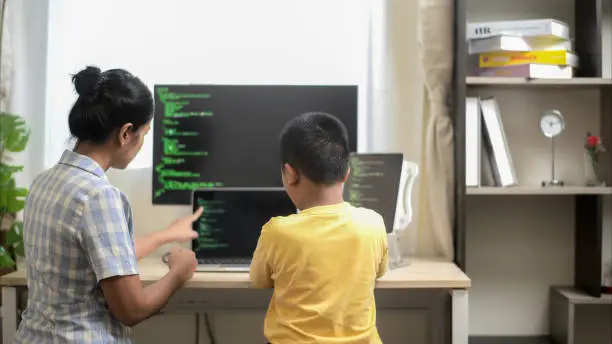
In today’s fast-paced world, technology and innovation influence almost every aspect of our daily lives. As a result, parents are increasingly looking for meaningful learning opportunities that prepare their children for the future. STEM classes for kids—focusing on Science, Technology, Engineering, and Mathematics—offer an ideal foundation for helping young learners develop essential life skills. These programs nurture curiosity, build creativity, strengthen analytical thinking, and introduce kids to real-world problem-solving in a fun, interactive environment.
However, with so many STEM programs available, parents often wonder how to choose the right one. This guide explores what to look for, the benefits of STEM education, and how to select a class that supports your child’s learning style and interests.
What Are STEM Classes for Kids?
STEM classes are structured learning programs designed to introduce children to scientific thinking, engineering principles, coding, robotics, math concepts, and hands-on experimentation. Unlike traditional classroom learning, STEM education emphasizes exploration, building, testing, and discovering through active participation.
Programs vary widely—from Robotics Classes workshops and robotics courses to engineering, electronics, and scientific experiments. Many institutions, such as youth technology centers and after-school academies, offer age-based and skill-based learning pathways to make STEM accessible for all children.
Why STEM Education Matters for Children
1. Enhances Problem-Solving Abilities
STEM concepts help children learn how to observe patterns, analyze information, and find solutions to challenges. Whether they are designing a simple machine or debugging code, kids learn to break problems into smaller steps and think critically.
2. Builds Creativity and Innovation
STEM is not just about numbers or formulas—it encourages children to create, experiment, and think outside the box. From building robots to designing their own digital games, kids learn that there are multiple ways to solve a problem.
3. Encourages Hands-On Learning
Hands-on activities are more engaging and memorable for children. STEM projects allow them to build models, test ideas, and learn from trial and error—an essential part of real-world learning.
4. Develops Future-Ready Skills
Industries around the world increasingly rely on technology and scientific understanding. Introducing kids to STEM early prepares them with the skills needed for future careers in engineering, programming, medicine, robotics, and more.
5. Builds Confidence and Perseverance
STEM projects often require patience and persistence. As kids work through challenges and see their ideas come to life, they gain confidence in their abilities and develop a positive growth mindset.
Types of STEM Classes for Kids
1. Coding Classes
Coding teaches children logical thinking, computational skills, creativity, and digital literacy. Many programs offer beginner-friendly platforms like block-based coding before transitioning to Python or JavaScript.
2. Robotics Programs
Robotics classes combine engineering, programming, and problem-solving as kids design, assemble, and program robots. These programs are highly engaging and ideal for visual and hands-on learners.
(Explore more about robotics and coding opportunities at technology centers such as Exceed Robotics.)
3. Engineering Workshops
Engineering-focused programs introduce children to building structures, circuits, machines, and mechanical systems. Kids learn physics, design principles, and teamwork through practical challenges.
4. Science Experiments & Innovation Labs
These classes involve chemistry, physics, and environmental science activities that allow kids to explore scientific principles through experiments and inquiry-based learning.
5. Math Enrichment Courses
Math-focused STEM programs help strengthen computational skills, logical thinking, and number fluency through interactive and engaging exercises.
How to Choose the Right STEM Class for Your Child
With so many STEM opportunities available, selecting the right one requires thoughtful consideration. Here are essential factors every parent should evaluate:
1. Match the Class with Your Child’s Interests
The first step is understanding what excites your child. Some kids love building things, while others enjoy technology, experiments, or programming. Choosing a class aligned with their interests keeps them motivated and engaged.
2. Check the Curriculum Quality
A good STEM program offers a structured curriculum that progresses with skill level. Look for programs that provide hands-on learning, real-world applications, and a clear developmental pathway.
3. Age-Appropriate Learning
Make sure the class is tailored to suit your child’s specific age and developmental level. Younger children need simple, interactive activities, while older students can handle more complex challenges in robotics, math, and coding.
4. Experienced and Supportive Instructors
The instructor plays a key role in making STEM learning enjoyable. Choose programs with qualified educators who know how to teach complex concepts in a child-friendly manner.
5. Interactive and Project-Based Learning
The best STEM classes focus on doing rather than memorizing. Project-based learning keeps children engaged and encourages collaboration and creativity.
6. Safe and Supportive Environment
Choose a program that provides a safe workspace, proper tools, and an inclusive learning environment where kids feel comfortable asking questions and exploring ideas.
7. Reviews and Reputation
Reading reviews from other parents can give insights into program quality, teaching style, and overall satisfaction. Institutions with strong reputations—such as dedicated STEM learning centers—tend to offer more structured and reliable programs.
8. Flexibility and Schedule Options
Many parents prefer after-school or weekend STEM classes that fit their family routine. Look for centers offering flexible schedules and different program durations.
Benefits of Enrolling in the Right STEM Program
Choosing the right STEM class can have lasting impacts on your child’s personal and academic development. A well-designed program:
- Supports cognitive growth
- Encourages curiosity and exploration
- Strengthens communication and teamwork skills
- Helps kids discover new interests
- Builds foundational knowledge for advanced STEM learning
- Prepares kids for future academic and career success
Programs offered by technology-focused centers such as Exceed Robotics are particularly effective, as they combine structured learning with hands-on experience in coding, robotics, and engineering.
Conclusion
STEM classes for kids are more than just academic programs—they are opportunities for young learners to explore, imagine, build, and innovate. By choosing a class that aligns with your child’s interests, offers a strong curriculum, and provides hands-on learning experiences, you give them the confidence and skills to thrive in a technology-driven world.
Whether your child is drawn to coding, robotics, science experiments, or engineering projects, there is a STEM pathway that can nurture their curiosity and open doors to future opportunities. With thoughtful consideration and the guidance of quality programs, you can help your child take the first step toward becoming a creative thinker, problem-solver, and future innovator.